
A virtual office is a service that gives your business a professional address and someone to handle its post and calls, without renting any physical space.
For most UK sole traders and small companies, it is the cheapest way to look established. You get a real commercial address for your website, your invoices and Companies House, while the work itself happens at home or wherever suits.
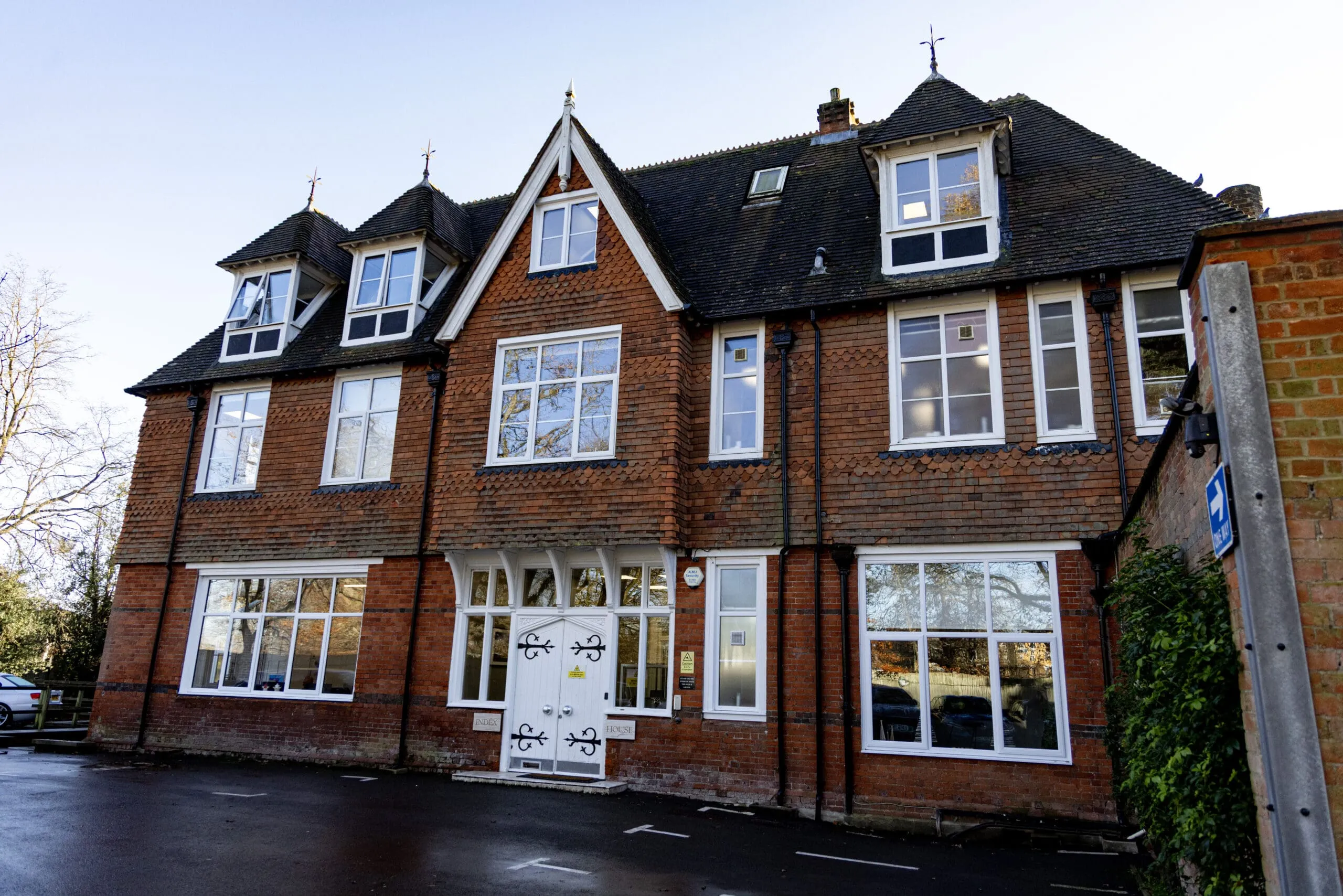
We run a virtual office service from Index House in Ascot, so this guide comes from actually handling clients’ post and calls day to day, not just theory. Here is how it works, what it costs, and how to tell whether one is worth it for you.
How does a virtual office work?
You pay a monthly fee to use a provider’s business address as your own. They receive your post and, on the fuller plans, answer your phone in your company name and forward your mail to you.
The arrangement is simple in practice. You put the address on your website and paperwork, your customers and suppliers write to it, and the provider deals with whatever arrives.
You work wherever you like. The address and the admin stay in one fixed, professional place.
Is a virtual office a real address?
Yes. A reputable virtual office is a real commercial address you are licensed to use, not an invented one and not a PO box.
At Index House the address is our actual building on Ascot High Street. Our team signs for parcels, stores your post securely and lets you know when something arrives.
This matters more than it sounds. Companies House, banks and some suppliers check that an address is genuine, and a real staffed building passes those checks where a mailbox number does not.
What is included in a virtual office?
Plans vary between providers, but most are built from the same few parts.
A business address
The core of every plan. You can use it on your website, your business cards and your invoices, and register it with Companies House and HMRC.
Mail handling and forwarding
The provider receives, sorts and stores your post. You then collect it in person or have it forwarded to any UK address on a schedule that suits you.
A phone line and call answering
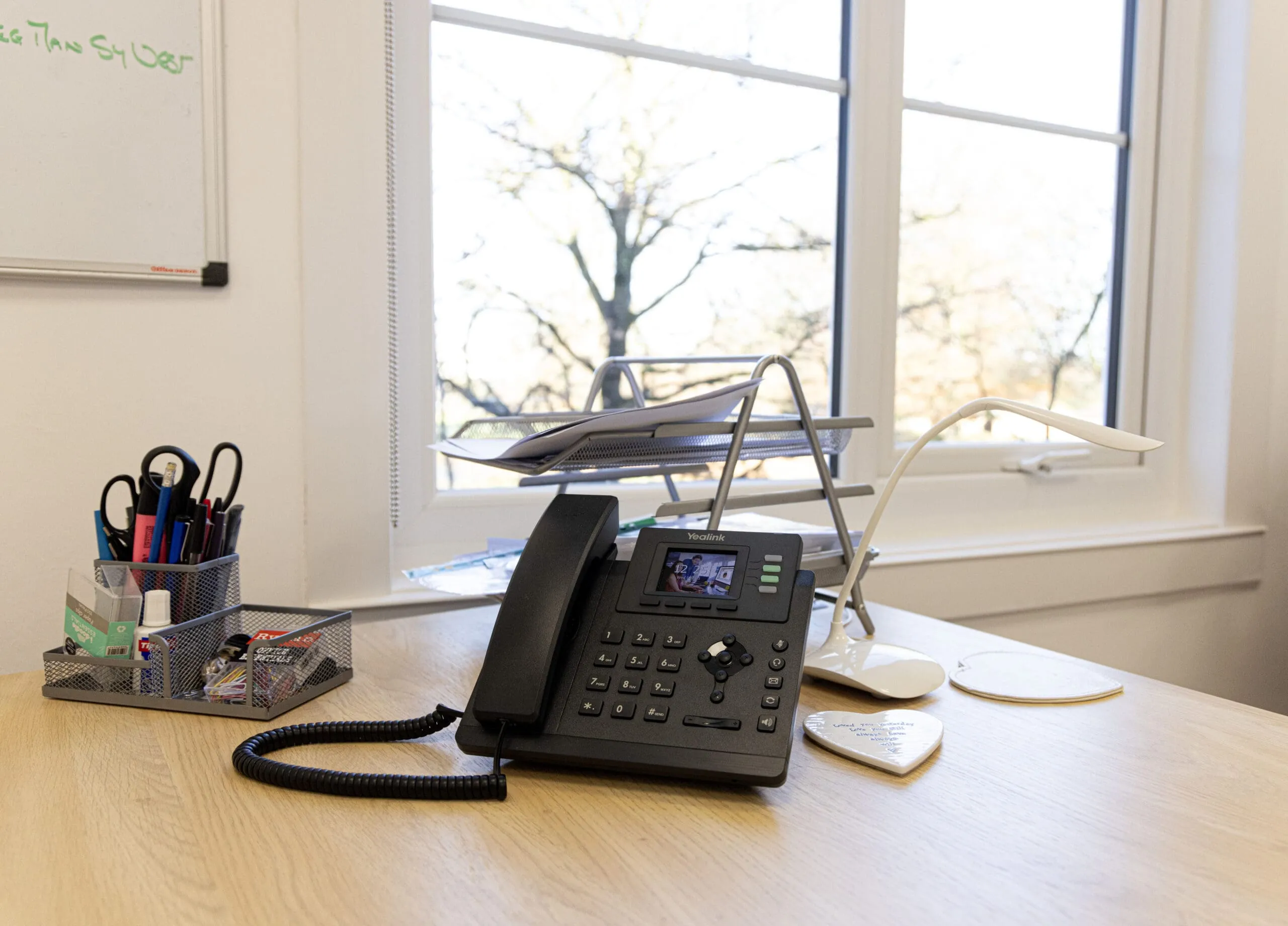
On the fuller plans you get a dedicated business number answered by a reception team in your company name, with messages passed on or calls put through to you.
Access to meeting rooms and desks
Most providers, us included, let you book meeting rooms or hot desks when you need to meet a client or work on site. You get the use of a real office on the days that call for one.
What does a virtual office cost in the UK?
A simple address-only plan usually runs from around £20 to £50 a month. Plans that add mail forwarding and call answering cost more.
At Index House our virtual office packages start at £39 a month and run month to month, with no long-term contract. You can move up or down a tier as your needs change.
For a full breakdown of every tier and the extra fees to watch for, see our guide to UK virtual office costs.
Can you use a virtual office for Companies House?
Yes. A registered office has to be a real address in the same part of the UK where your company is registered, where post can be delivered and acknowledged.
A virtual office address meets that test. A PO box does not, because it cannot be used as a registered office.
Our Ascot address is fully compliant and can serve as your registered office and director’s service address.
What are the disadvantages of a virtual office?
A virtual office is not the right tool for every business, and an honest provider will tell you so.
- No daily physical workspace. The plan gives you an address and services, not a room to sit in every day.
- Not ideal if clients visit you. If people need to come to your address regularly, you need actual space, not a virtual one.
- ID checks to set up. Address providers must verify who you are under anti-money-laundering rules, so expect to supply identification.
- Quality varies. The whole thing falls down if post sits unopened, so choose a provider where real people handle your mail and calls.
Virtual office vs PO box, serviced office and coworking
It helps to see where a virtual office sits next to the alternatives.
| Option | What you get | Best for |
|---|---|---|
| PO box | A mailbox number only. Cannot be used as a business or registered office address. | Redirecting personal post |
| Virtual office | A real address, mail handling and optional call answering. No daily desk. | Remote businesses that want a credible address |
| Serviced office | A private, furnished room you rent, with the address included. | Teams that need space every day |
| Coworking / hot desk | A shared or bookable desk in an open space. | Individuals who mainly want somewhere to work |
Who is a virtual office for, and is it worth it?
A virtual office is worth it when you want a professional address and private post handling but do not need a room of your own.
That covers a lot of businesses: sole traders keeping a home address off the public register, remote and hybrid teams with no central office, and companies moving into a new area who want a local address from day one, whether that is Reading, Slough, Maidenhead or Windsor.
It is not worth it if you need somewhere to work or meet clients every day. In that case a serviced office or coworking desk earns its keep instead.
How to set one up
- Choose the plan that matches what you need, from address only up to a full service with call answering.
- Complete the provider’s identity checks. This is a legal requirement for address services, so have your ID ready.
- Start using the address on your website, your stationery and your Companies House record.
If your business is in or around Berkshire, you can see the full range of plans and pricing on our virtual offices page.